
When a medical issue needs prompt clinical attention but does not require a 999 emergency response, Coast Medic Ambulance provides a professional Urgent Care Service designed to deliver rapid assessment, treatment and escalation in the community.
Our urgent care clinicians help bridge the gap between primary care and emergency services—supporting patients safely, efficiently, and with reassurance.
If a condition is immediately life-threatening, always call 999.
Rapid Access to Urgent Clinical Care
Delays in accessing urgent medical assessment can lead to unnecessary deterioration, anxiety, and avoidable hospital attendance.
Coast Medic’s Urgent Care Service offers:
- Same-day or rapid clinical response
- On-scene assessment and treatment
- Clinical decision-making by experienced professionals
- Clear escalation pathways where hospital care is required
- Patient-centred care delivered in familiar surroundings whenever possible
This service supports patients while reducing pressure on emergency departments and overstretched primary care services.
Conditions We Commonly Attend
Our Urgent Care clinicians regularly assess and manage:
- Acute illness or sudden deterioration
- Chest infections, breathing concerns (non-emergency)
- Abdominal pain and gastrointestinal symptoms
- Urinary infections and dehydration concerns
- Reduced mobility or sudden functional decline
- Post-fall clinical reviews
- Wound assessment and minor injuries
- End-of-life symptom escalation
- General “something is not right” presentations requiring urgent review
Each case is assessed individually, with escalation decisions based on clinical need, not convenience.
Who This Service Is For
Our Urgent Care Service supports:
- Private individuals and families
- Care homes and residential settings
- Supported living providers
- Healthcare and social care organisations
- Businesses and institutions requiring urgent clinical attendance
- Community services needing overflow or gap-cover support
We work collaboratively with existing care teams to ensure continuity and safe outcomes.
What Happens When We Attend
- Initial triage and information gathering
We confirm suitability for urgent care attendance and advise if emergency services are required. - Clinical assessment on scene
Including observations, history taking, and red-flag screening. - Immediate treatment where appropriate
Symptom management, reassurance, and stabilisation. - Clinical decision-making
Remain in place with advice, refer onward, or escalate to emergency care. - Escalation or transport if required
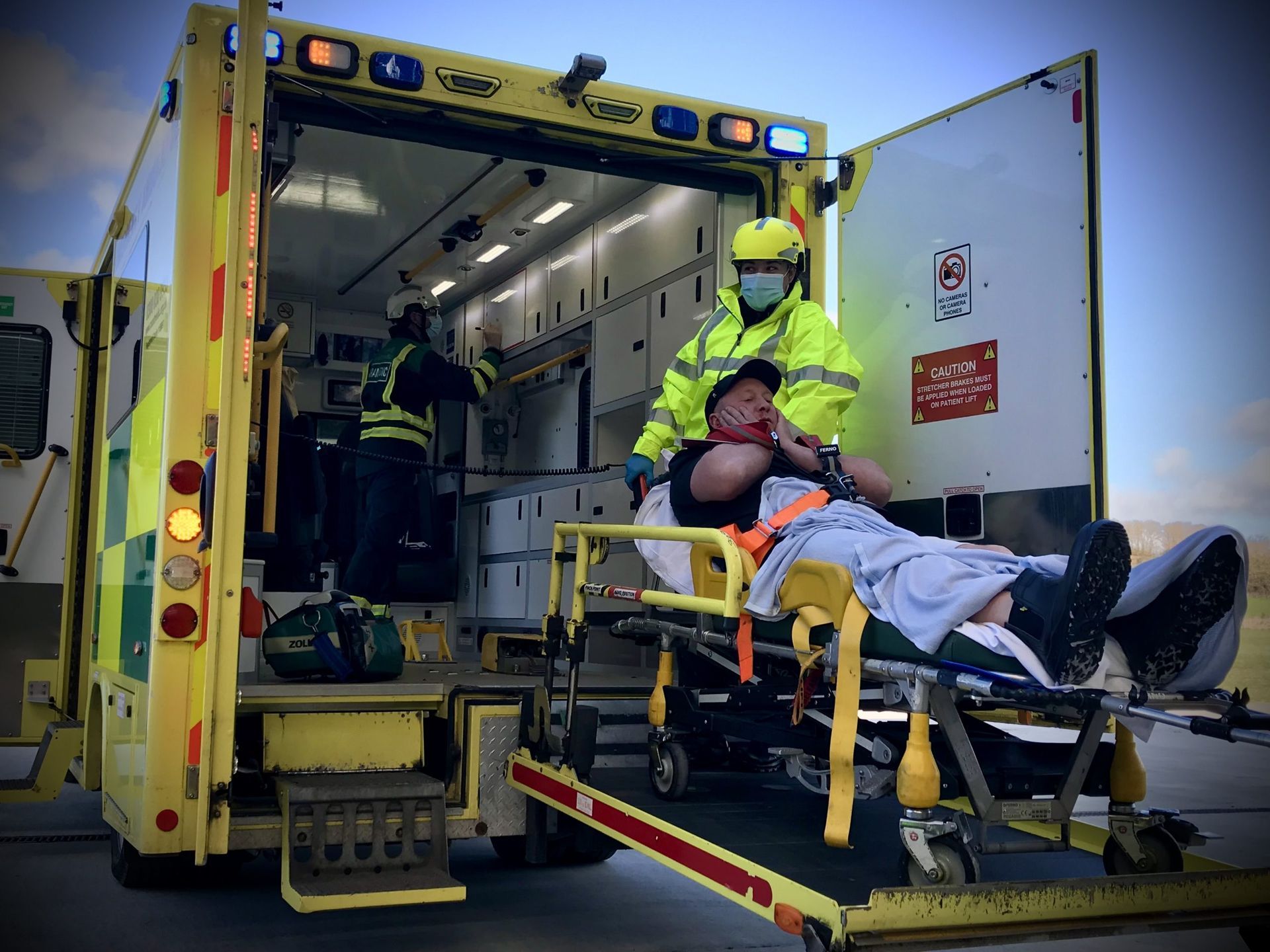
Where hospital attendance is clinically indicated, we support timely escalation and can provide ambulance transport where appropriate.
Why Choose Coast Medic Urgent Care
- Clinician-led response – not just transport
- Experienced urgent and pre-hospital clinicians
- Calm, professional bedside manner
- Robust clinical governance
- Clear documentation and communication
- Flexible response options for individuals and providers
- Reduced unnecessary hospital conveyance
Our focus is always the right care, at the right time, in the right place.
Supporting Care Providers & Organisations
For care homes and organisations, urgent clinical incidents can place strain on staff and residents alike.
Our Urgent Care Service can:
- Reduce inappropriate 999 calls
- Provide rapid reassurance and assessment
- Support safer decision-making
- Improve resident experience
- Reduce hospital admissions where clinically appropriate
Service-level arrangements and repeat-use agreements are available for providers requiring regular support.
Service Coverage
Coast Medic Ambulance provides urgent care services across the South West, subject to clinician availability and clinical suitability.
If you operate across multiple sites, we can discuss regional coverage solutions.
Speak to Coast Medic About Urgent Care
If you need fast, professional urgent medical support outside of hospital, Coast Medic Ambulance is here to help. Call us on 01326 755120.
Frequently Asked Questions
No. This service is for urgent but non-life-threatening conditions. If emergency symptoms are present, 999 must be called.
Yes. We frequently support care and residential settings with urgent clinical attendance and escalation decisions.
If clinically required, we can provide ambulance transport or support escalation to emergency services.
Yes. All clinicians operate within defined scopes of practice and under robust clinical governance.