1. Document Purpose
The healthcare industry has the greatest potential for contracting and spreading bloodborne pathogens. As healthcare professionals, it is our responsibility to take measures to limit, reduce, or eliminate the spread of infectious diseases. Coast Medic have established a program to educate its employees in methods of infection control at the point of induction. This will outline the guidelines to achieve this goal as mandated by UK regulation.
This policy is derived from the following main documents and codes of practice:
- Health & Social Care Act 2008: Code of Practice for health and adult social care on the prevention and control of infections and related guidance.
- NICE Guideline (CG139) Infection Control.
- EU OSHA Information about Occupational Health & Safety across the EU.
- NHS IPC Team – Infection, Prevention Control.
2. Definitions
For the purpose of this document, the following terms will be understood:
| Employee | refers to not only paid service personnel, but also includes any student rider, reservist, or authorized observer |
| Universal Precautions | refers to any means of a personal barrier to prevent transmission of blood-borne pathogens. Includes, but is not limited to hand-washing, body substance isolation, decontamination |
| Bodily Fluid | refers to any fluid that has the potential to be contaminated with infectious diseases |
| Blood | refers to all “human blood components” which includes plasma, platelets and serosanguineous fluids |
| Blood-borne Pathogen | refers to any pathogenic microorganism in human blood that can infect and cause disease. Examples include HIV, HBV, HCV, STDs, etc. For the purpose of this document, this term also refers to and communicable disease |
| Exposure Incident | refers to contact with bodily fluids that does not make contact with mucus membranes or broken skin |
| Exposure with injury | refers to direct contact of a contaminated item with mucus membranes or broken skin |
| Sharp | refers to any object capable of puncturing the skin, i.e. – needle, lancet, broken blood tube, trauma shears, etc |
| Work Area | refers to the patient compartment of the ambulance |
| Disinfect | refers to the decontamination of work surfaces or areas and equipment using approved methods and cleaning agents |
| Sterilize | refers to the act of using physical or chemical agents to completely destroy all microbial life |
| Spillage | refers to the spilling or contamination of ones person, uniform, kit or vehicular resource by a contaminating products such as blood, bodily fluids, micro-organisms etc |
3. Responsibilities
Administrative Responsibilities
- Identify employees that are at risk for receipt and transmission of blood-borne pathogens.
- Identify procedures, bodily fluids, and scenarios which pose a risk to employees.
- Develop Exposure Control Plan.
- Monitor compliance and enforce safety requirements set forth by the pre-mentioned documents above.
- Provide proper equipment and attire to our employees to reduce transmission of blood-borne pathogens.
- Maintain training program in company induction.
- Provide counselling and medical treatment to employees exposed to bloodborne pathogens.
- Maintain training and medical records for each employee, ensuring the privacy and confidentiality thereof.
Employee Responsibilities
- Be informed regarding new information on blood-borne pathogens.
- Use personal protective equipment in accordance with Infection Control policy.
- Use universal precautions to prevent the transmission of blood-borne pathogens.
- Report any and all exposures/injuries as soon as practical to Infection Control Officer.
- Attend any training session mandated by Coast Medic regarding updates on blood-borne pathogens.
- Protect and maintain confidentiality of employee medical information and records.
- Maintain personal protective equipment and supplies. Report missing, damaged, or contaminated supplies for replacement as soon as practical.
Universal Precautions
Universal precautions will be used with every patient contact situation. Diseases can be spread by means other than blood or bodily fluids.
Body substance isolation equipment will be used in every patient contact situation. Specific treatment procedures may require different levels of protection. These procedures will be outlined further later in this policy. It is the responsibility of the employee to don the appropriate personal protective equipment as the situation warrants.
Respiratory Precautions
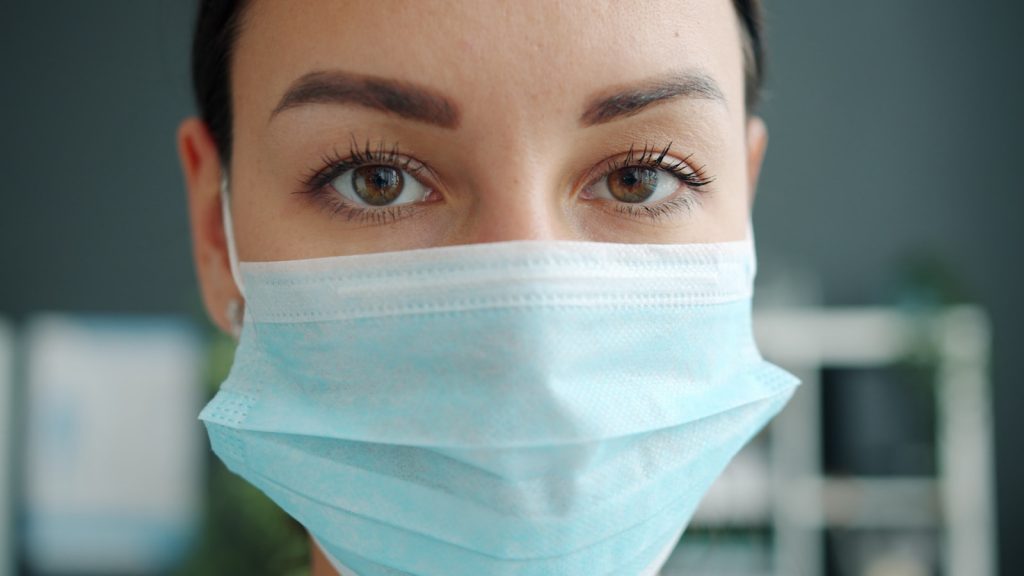
- In the event that a TB case or any other infection relating to a respiratory infection such as influenza / COVID etc is confirmed or suspected, employees will don an appropriately sized face mask prior to making patient contact or at the earliest known opportunity.
- Once a mask is used, it may not be reused. The contaminated respirator must be placed in an appropriate biohazard waste bag and disposed of. A new respirator will be issued.
- Any suspicion of respiratory disease with the possibility of transmission warrants the use of a mask.
- Equipment and vehicle may require full or partial decontamination following risk assessment – if in any doubt – contact on-call director or operations manager.
4. Risk Classification
OSHA European requires that employees be classified into risk categories according to job functions. The classifications are as follows:
Category 1
Employee tasks that involve exposure to blood or other possible infectious material. Employees are at high risk of exposure on a routine basis.
These employees are routinely involved in patient care in areas with the potential for transmission of infectious disease.
These employees routinely perform tasks which increases the possibility of exposure. These tasks include, but are not limited to endotracheal intubation, IV therapy, vehicle extrication, haemorrhage control, and suctioning.
Category 2
Employee tasks do not involve blood or other bodily fluids. However, due to the nature of emergency medicine, situations may arise which require the performance of Category 1 tasks.
These employees do not perform tasks that involve direct patient contact unless system status demands they be placed in service as a patient attendant.
Category 3
Employee tasks have no potential for risk of exposure.
These employees perform tasks not associated with direct patient contact. These are office personnel who are not required to be placed into service as a patient attendant for any reason.
To further classify employees, the following is a list of functional areas in accordance with each category.
Transportation of Food
The emergency medical field is often unscheduled and does not always allow time for a meal break. Therefore, employees may transport food in the cab of the ambulance. The cab of the ambulance must be cleaned and sanitized prior to the transportation of food. Food must be removed prior to the end of shift, and the cab sanitized. If call volume does not allow for the cab to be properly cleaned, no food may be transported in the ambulance. If the cab of the ambulance becomes contaminated, all food must be discarded, and the unit cleaned. All food must be wrapped while in transit. Food that must be refrigerated should be kept at recommended temperature for the item. Coolers are allowed for this purpose. Food must not be transported or consumed in the patient treatment area or in any area with direct access to the patient compartment. Employees must wash hands prior to and after eating.
5. Compliance
Monitoring
Management may perform random checks of emergency vehicles for general cleanliness. The trustees/directors will also ensure PPE and sanitation compliance is being met according to company policies. If an employee is found to be out of compliance, disciplinary action may be required.
Training
To ensure compliance standards and goals will be met, Coast Medic will implement training sessions for each employee. The training sessions will be scheduled as follows:
- At the time of employment with Coast Medic.
- Annually, according to OSHA European regulations.
- At any time when new information or regulations are published regarding infectious disease.
6. Infection Control Record Keeping
Coast Medic will keep records for all employees regarding training, injuries, and exposures. These files will be kept confidential. Employees may request copies of personal files at any time. Requests must be made through a company trustee/director by the employee directly. Employee medical records will not be released to any person of any relation to the employee without the express written consent of the employee. The files will contain the following information:
Medical Records
- Name and national insurance Number.
- Considerations for OH referrals if appropriate level work risk entails.
- Copy of all examinations, medical testing, and follow-up evaluations if applicable.
Training Records
- Names and employee numbers of employees.
- Certifications of employees including expiration dates.
- Dates of Training.
- Contents of training sessions.
- Credentials of person(s) conducting the training.
- Acknowledgement of induction for risk assessment.
7. Exposure Control Plan
It is the goal of Coast Medic to minimise the risk of exposure of blood-borne pathogens to employees. We uses supplies and equipment to limit exposures. This section outlines the equipment and procedures in place for employees to use in everyday situations to reach this goal.
IV catheters covers which are retractable when stocking is possible. By retracting the needle after venous-puncture, the sharp is no longer able to puncture the skin and sharps containers will be readily available. This minimise the risk of accidental needle sticks.
Employees will treat every needle or sharp as contaminated. All sharps which have not been used, yet has been removed from packaging should be handled with care and disposed of
Sharps should not be recapped or manipulated by hand.
All sharps will be disposed of into a puncture-resistant sharps container marked “Biohazard” or with the official biohazard symbol. Sharps containers should not be filled over ¾ full recommendation. Sharps should never be forced into containers. The containers will remain closed except during disposal of sharps. Full containers should be closed off and turned for replacement and disposal. Employees are strictly forbidden to dispose of sharps in regular waste bins or any other unapproved container.
Employees are responsible for the proper disposal of all sharps used on scene. Sharps should be removed from any area where procedures are performed prior to leaving the scene.
Employees must report any exposure incident or injury from sharps as soon as practical using the company recognised incident report form.
Employees must use proper hand-washing techniques before and after patient contact to prevent the spread of disease. In the event hand-washing is not available, alcohol wash hand gel should be used until a hand-washing facility is available.
Employees must wear appropriately sized disposable gloves which are impervious to blood and other bodily fluids. Coast Medic provides gloves for this purpose. Employees should check unit for stock prior to start of shift.
Employees wearing gloves who handle potentially infectious materials must remove and dispose of gloves prior to performing tasks not related to patient care. i.e. – driving, electronic data entry, etc. Employees should wash hands or use alcohol hand gel after disposing of gloves. If removing gloves is impractical for the situation, the entire unit must be decontaminated prior to returning to service.
If blood or bodily fluids splash onto broken skin or eyes, nose, mouth, or other mucus membranes the affected area should be immediately flushed with copious amounts of water.
8. Management of Infectious Patients
Following management by Coast Medic of an infectious patient – the staff member(s) should undertake the decontamination process as follows:
- Book vehicle out of service
- Sweep, brush and / or hoover loose particles in both front and rear compartments.
- Empty and dispose of all clinical and non-clinical waste.
- Perform hard surface cleaning of both front and rear compartments, including all non-disposable items / equipment used.
- Mop both the front and rear compartments and allow a full 30 minutes drying time.
- Repeat the Vehicle Daily Inspection form.
- Book back into service.
Decontamination
Employees should recognise that equipment used in high risk scenarios have the potential to be contaminated with infectious disease. The following outlines the procedures to decontaminate specific items. Sanitizing solutions should contain OSHA European approved antiviral and antibacterial agents.
PPE
Contaminated disposable PPE should be placed in a red biohazard bag and discarded. Non-disposable PPE such as goggles should be wiped of any gross contamination and sprayed with a sanitizing solution until blood or bodily fluids liquefy.
The equipment should be wiped with a clean towel and allowed to dry.
Work Areas
Work areas should be wiped of any gross contamination. Spray the work area with a sanitizing solution until blood or bodily fluids liquefy. The area should be wiped with a clean towel and allowed to dry.
Uniforms
If a uniform becomes soiled during patient care, the uniform should be removed and placed into a leak-proof bag or container and sent to an appropriate cleaning service. Employees are encouraged to keep an extra uniform accessible during their shift. If a uniform is unable to be properly cleaned, a new uniform will be issued.
Boots
If boots become soiled, employees should clean boots with a disinfectant such as Pine-Sol or similar product. Certain disinfectants may cause stripping of shoe polish and will require reapplication of polish. Check floors of ambulance to ensure further contamination does not occur either from boot or materials left on floor.
KED
The KED should be open with all straps extended. The KED should be wiped to remove gross contamination. Spray the KED with a sanitizing solution until blood or bodily fluids liquefy. Wipe the KED with a clean towel, paying special attention to seams and buckles. Allow KED to dry.
Long Spine Board/Scoop Stretcher
Remove any straps and tape from spine board. Wipe spine board to remove gross contamination. Spray board with sanitizing solution until blood or bodily fluids liquefy. Wipe the board with a clean towel, paying special attention to hand holds. Allow Spine board to dry.
Stretcher
Remove all linen and dispose of properly. Remove mattress. Wipe stretcher to remove gross contamination. Spray stretcher with sanitizing solution until blood or bodily fluids liquefy. Wipe stretcher with clean towel, paying special attention to hinges and joints. Re-lubricate if necessary. Allow stretcher to dry.
Stretcher Mattress
Wipe mattress to remove gross contamination. Spray mattress with sanitizing solution until blood or bodily fluids liquefy. Wipe mattress with clean towel, paying special attention to seams. Allow mattress to dry.
Stairchair
Open stairchair with straps and handles extended. Wipe chair to remove gross contamination. Spray chair with sanitizing solution until blood or bodily fluids liquefy. Wipe chair with clean towel, paying special attention to hinges, joints, and buckles. Re-lubricate if necessary. Allow chair to dry.
Suction Machine (Mounted and Portable)
If suction canister has bag, remove bag and place in biohazard container. If machine uses disposable canister, remove canister and place in biohazard container. Remove tubing and suction catheters and place in biohazard container. Reassemble machine with new bag or canister and tubing. Linen: If linen becomes soiled or contaminated, it should be placed into a red biohazard bag. Seal the bag to prevent leaks. Take linen to nearest hospital for drop off.
BP Cuff/Stethoscope
Remove gauges and tubing from cuff. Wipe with sanitizing cloths and allow cuff to dry. Remove earpieces from stethoscope and place in sanitizing solution. Allow earpieces to soak for 10 minutes. Wipe stethoscope with sanitizing cloths. Reassemble stethoscope.
Splints
Disposable splints should be discarded and replaced. Wipe non-disposable splints to remove gross contamination. Spray splints with sanitizing solution until blood or bodily fluids liquefy. Wipe splints with clean towel, paying special attention to seams.
Allow splints to dry.
Laryngoscope Handle and Blades
Wipe handle and blades to remove gross contamination. Spray handle and blade with sanitizing solution. Allow to sit for 10 minutes. Wipe handle and blades with clean towel, paying special attention to bulbs and hinge. Allow handle and blades to dry.
Communication Device
Remove battery. Wipe device to remove gross contamination. Spray clean towel with sanitizing solution and use towel to wipe device, paying special attention to crevices. Allow device to dry before replacing the battery.
9. Disposal of Waste
Clinical Waste
All medical waste will be disposed of in an approved medical waste container / bag. The container will be clearly marked with the colour orange-yellow, the word “Biohazard,” or the biohazard symbol. The words and/or symbol will be an offset colour of the container. Approved medical waste containers include sharps containers, biohazard bags, or any other appropriately mark container as described in this paragraph – will be collected under contract from Coast Medic’s waste disposal contractor.
Clinical Waste will be collected from the locked clinical waste bin in yellow and emptied via our contractor when 3/4full or quarterly (whichever comes first).
Non-Clinical Waste
All non-medical waste will be disposed of in standard refuge bags. These bags are black in colour and for general waste – will be collected under contract from Coast Medic’s waste disposal contractor.
Blood & Spillages
Strategies for decontaminating spills of blood and other body substances (e.g. vomit, urine) differ based on the setting in which they occur and the volume of the spill:
- in patient-care areas, healthcare workers can manage small spills by cleaning with detergent solution;
- for spills containing large amounts of blood or other body substances, workers should contain and confine the spill by:
- removing visible organic matter with absorbent material (e.g. disposable paper towels);
- removing any broken glass or sharp material with dust pan; and
- soaking up excess liquid using an absorbent clumping agent (e.g. absorbent granules).
- open the vehicular resource bio-hazard kit
- Table (Appendix 1) demonstrates appropriate processes when managing spills. Appropriate PPE should be worn at all times.
- If spillage has occurred on soft furnishings, a detergent solution can be used to clean the area thoroughly. Do not clean soft furnishings with a disinfectant such as sodium hypochlorite.
- Soft furnishings can also be wet vacuumed. Following cleaning of soft furnishings, every effort must be made to air the room to allow drying of the furnishing before reuse.
- Alcohol solutions should not be used to clean spillages (HPS 2006).
Deep Cleaning Vehicles
All ambulances are to be routinely cleaned and require a deep clean following treatment or transportation of a potentially infectious patient. For information relating to this, refer to the dedicated policy on Ambulance Cleaning.
Waste Contractors
| Contractor | Contact Number |
| Cornwall Council | 0300 1234 141 |
Personal Protective Equipment
All PPE used by employees will be either issued or approved by our management and clinical team. PPE will be approved only if the equipment properly protects all mucus membranes and broken skin from being exposed to blood or other bodily fluids.
Employees must realise that PPE is not always 100% effective against the transmission of blood-borne pathogens.
Gloves
Latex or synthetic latex gloves must be worn in every patient contact situation. Gloves must be worn during all decontamination processes. Gloves must fit properly. If the appropriate sized gloves are not available, a supply request should be submitted as soon as practical. A minimum of one box of medium and large gloves will be supplied on each unit. Gloves that are damaged or soiled should be removed and replaced. Employees with latex allergies will be issued non-latex gloves.
Protective Eyewear
Coast Medic supplies each unit with at least two pair of protective goggles. Goggles should be worn during any procedure in which blood or bodily fluids are present. These include, but are not limited to haemorrhage control, childbirth, and intubation.
Prescription glasses are not an acceptable substitute for goggles. Safety goggles are not disposable, and should be cleaned in accordance with procedures for decontamination.
Masks
Face masks are supplied on each unit. Masks should be worn any time a patient has a confirmed or suspected case of Tuberculosis. Respirators should be worn during high-risk procedures. Damaged or soiled masks should be replaced.
Gowns
Disposable gowns are required for procedures which there are a high likelihood of exposure to blood-borne pathogens via splashing. Gowns should cover the employee’s arms, torso and upper part of legs. Gowns that become soiled or ripped should be removed and replaced.
Job Specific PPE Requirements
| Task | Gloves | Eyewear | Mask | Gown |
| Patient Exam | Yes | No | No | No |
| Light Haemorrhage | Yes | Yes | No | No |
| Moderate/Heavy Haemorrhage | Yes | Yes | Yes | Yes |
| Arterial Haemorrhage | Yes | Yes | Yes | Yes |
| Emergency Childbirth/ Exam | Yes | Yes | Yes | Yes |
| IV Procedures | Yes | No | No | No |
| Airway Procedures | Yes | Yes | Yes | No |
| Sterile/Non-Sterile Suctioning | Yes | Yes | Yes | No |
| Equipment DecontaminationIM/IO/SQ Medication Administration | Yes | Yes | No | No |
| Aerosol Treatments | Yes | No | Yes | No |
10. Exposure
In the event of an exposure, there are certain expectations of the employee. The employee is responsible for the following actions:
| Wash the affected area immediately |
| Notify company director |
| If injury requires medical attention, proceed to nearest emergency department |
| Complete Exposure Notification Report |
| Have witnesses write an incident report form (IR1) or complete the electronic incident reporting system |
| Complete drug screen |
| Give blood sample for baseline values. Consent must be given for blood work |
| Employee has the right to refuse blood testing. The employee has the right to request blood testing at any time |
The Clinical Manager / director on duty is responsible for the following:
| Assess employee injury. Decide whether injury requires immediate or delayed treatment |
| Dispatch additional resources to resume patient care if required |
| Assure employee has washed affected area |
| Confirm Exposure Notification Report has been filled out |
| Confirm and compile witness statements |
| Schedule employee for drug screen |
| Present employee with consent/refusal for blood testing |
| Document physicians advise for further care |
| Forward all information to Infection Control Officer |
Consent for Blood Testing
In the event of an exposure, the employee has the right to consent or refuse serological blood testing for communicable disease. A consent form must be signed and filed in the employee’s permanent record. The employee may elect to have blood drawn, but not tested for the purpose of a baseline sample. This sample will be stored for 90 days.
11. Pandemic
Introduction
As a result of the Covid-19 pandemic March 2020 – Coast Medic updated its IPC policy making strategic changes for the safety of it staff and patients. Pandemic procedures are new to all staff and management will be disseminated to all staff from herewith.
Declaration
These new procedures will be implemented when the UK Government or Public Health England declare the country to be in a state of pandemic and will remain in place until such time as the pandemic has been closed.
Enhanced Equipment
Coast Medic have purchased hazmat suits, fluid repellent face masks (FFP3) and face shields to help protect its staff from any IPC related pandemic pathogens. We also have access to a 3rd party sub-contractor specialist for the cleaning of contaminated premises and/or vehicles on a ‘as required basis’
Employees as required will be fit tested for FFP3 mask use and may require extraction from duties in order to facilitate the process.
Responsibilities
Coast Medic trustees/directors will be responsible for all areas of this IPC Pandemic Procedures sub-section. It is expected the company will liaise with other similar business in its geographic, CCG, Trusts, Public Health England, NHS England and other regulatory bodies in order to achieve best practice and respond quickly to national guidance/change. Guidance during a pandemic can change extremely quickly and this will give Coast Medic the best opportunity to keep staff and its patients as safe as possible.
Standard Procedures
The following procedures will be implemented on declaration of a pandemic and may include but not limited to the following:
| Urgent meeting of directors, management & seniors |
| Immediate cancellation of all routine and non-urgent events |
| Close premises to the public |
| Order additional PPE in preparedness ordering |
| Ensure clinical staff adopted PPE as advised by Public Health England eg. Appendix 3 |
| Regular cleaning of hand contact areas undertaken by all staff in all areas of the business & vehicles |
| Directors to meet/discuss daily during the pandemic |
| Identify high risk/vulnerable staff that may require periods of isolation – in accordance with regulatory guidelines |
12. Blood Spill Kit
| Spot cleaning | * Select appropriate PPE * Wipe up spot immediately with a damp cloth, tissue or paper towel * Discard contaminated materials * Perform hand hygiene |
| Small spills (up to 10cm diameter) | * Select appropriate PPE * Wipe up spill immediately with absorbent material * Place contaminated absorbent material into impervious container or plastic bag for disposal * Clean the area with warm detergent solution, using disposable cloth or sponge * Wipe the area with sodium hypochlorite and allow to dry * Perform hand hygiene |
| Large spills (greater than 10cm diameter) | * Select appropriate PPE * Cover area of the spill with an absorbent clumping agent and allow to absorb * Use disposable scraper and pan to scoop up absorbent material and any unabsorbed blood or body substances * Place all contaminated items into impervious container or plastic bag for disposal * Discard contaminated materials * Mop the area with detergent solution * Wipe the area with sodium hypochlorite and allow to dry * Perform hand hygiene |